


Planting Heirloom Trees to Preserve a Legacy
Recently, we have been reminiscing about our 30 years of sustaining our small family farm and growing fruit trees. When our journey began in the early 1990s, we were surrounded by dozens of friends and mentors pursuing a similar vocation. Over the years, that number has gradually and substantially dwindled in our region. Many factors have contributed to the decline of the small farm in California: unpredictable weather extremes, increasing rodent and pest pressure, a shrinking labor force, and the rising costs of labor, land, and growing. Consolidation and monopolization have only compounded the problem. Individually, these challenges can be weathered, but over the last decade they have converged to make small scale farming increasingly unsustainable. And, as we have learned, sustainability ultimately begins with being able to sustain your family.
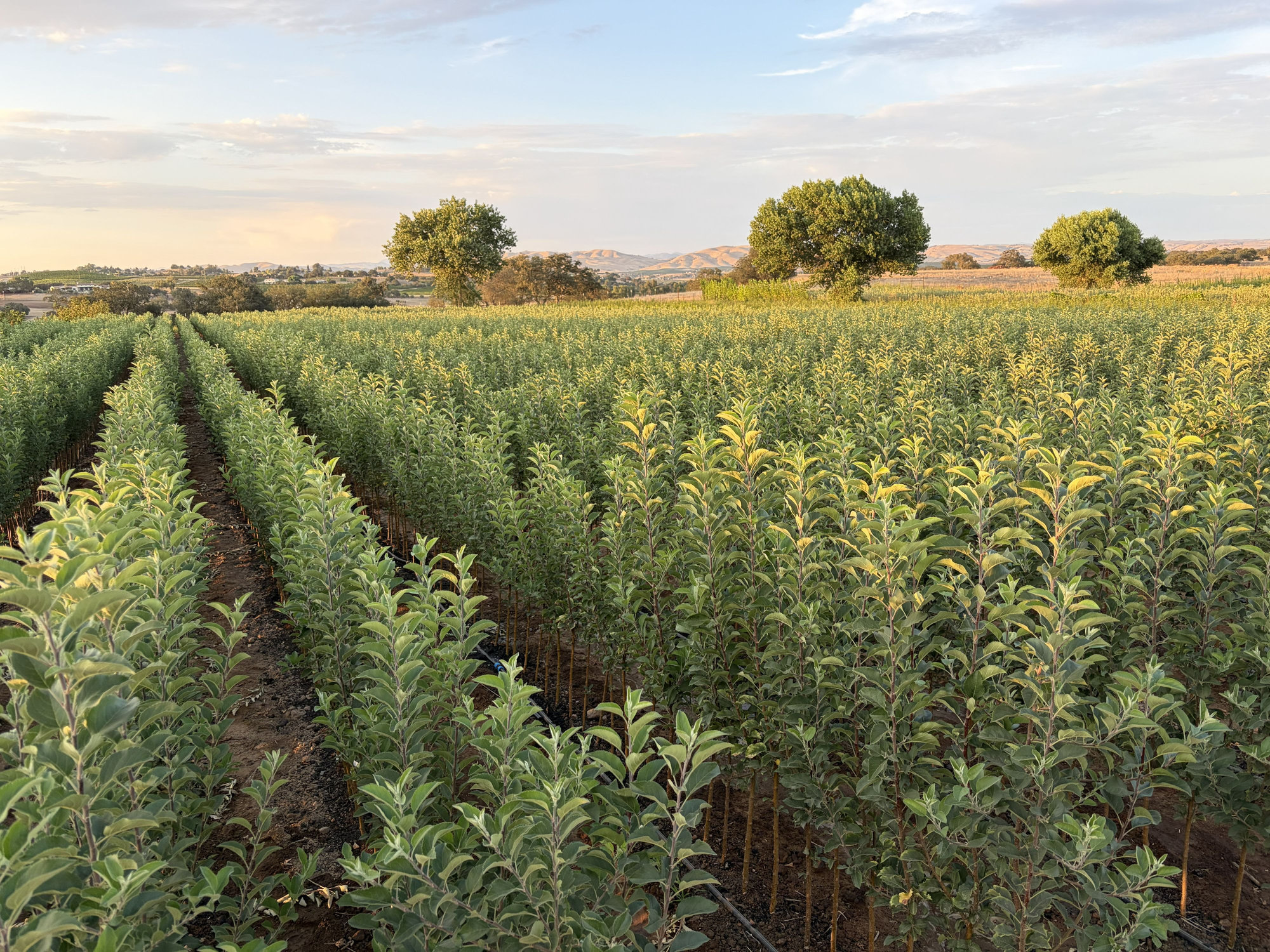
Today, we are losing another cherished farm, Andy's Orchard, in the Santa Clara Valley. For more than forty years, Andy Mariani has been preserving and promoting rare and unusual heirloom fruit trees in one of the country's finest stone fruit growing climates. Many of the trees in our own collection came from Andy's nursery. We are deeply grateful for the work he did to preserve these unique gems. Without his efforts, many of these cherished varieties might have already disappeared. But the reality is that despite the overwhelming support, his orchard was not immune to the the cumulative challenges of running a diverse small scale farm (see the New York Times recent article on Andy Mariani).

His work is a reminder that we cannot rely solely on commercial growers to preserve these gifts from our ancestors. It is becoming more important than ever for individuals to plant and preserve these trees in their own home orchards and backyards. It takes a community of dedicated people farmers, nurserymen, gardeners, and homeowners to ensure that these trees remain alive and available for the next generation to discover. Commercial orchards have little economic incentive to preserve varieties that do not produce reliably or profitably, which makes the role of small farms and backyard growers all the more important.
Perhaps this is not such a bad thing. A fruit tree planted in a backyard is no longer simply a fruit tree. It becomes a living piece of history, entrusted to someone who may never know the people who planted it before them. It may outlive the person who planted it, just as many of the heirloom trees we grow today have outlived the people who first brought them into cultivation.
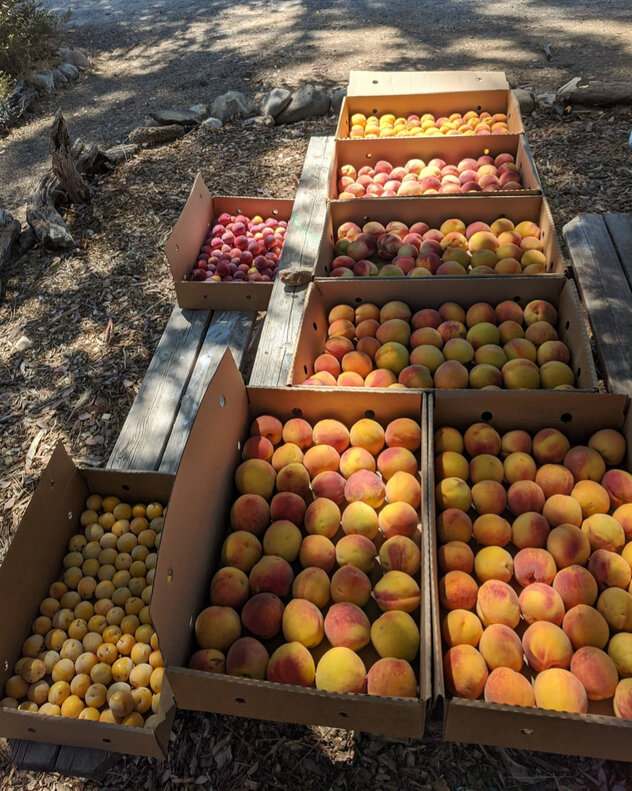
That is the legacy of these trees. They ask very little of us, but with care, they can give something back for generations. They provide fruit, shade, beauty, and memories—and, perhaps most importantly, they give us something tangible to leave behind. We hope that, in time, Andy's work will be resurrected, cherished, and sustained for future farmers and fruit enthusiasts. But until then, the responsibility rests with all of us. Every orchard planted, every heirloom variety saved, and every tree passed on to another generation is another small act of preservation.
